Travel: HuaiRou
在雁栖湖上课的时候并没有在周边玩好好逛过,本来想去滑雪场的但因为疫情也作罢了。朋友Y有空开车去郊区玩就叫上了我,恰好遇上某电影节[1],因此路上有些拥堵。
虽然天气并没有很好,但是景色还是不错,能从室内出门散心还是很快乐的。此处放上一些本次的照片(均来自Y和他的另一位朋友Q)。

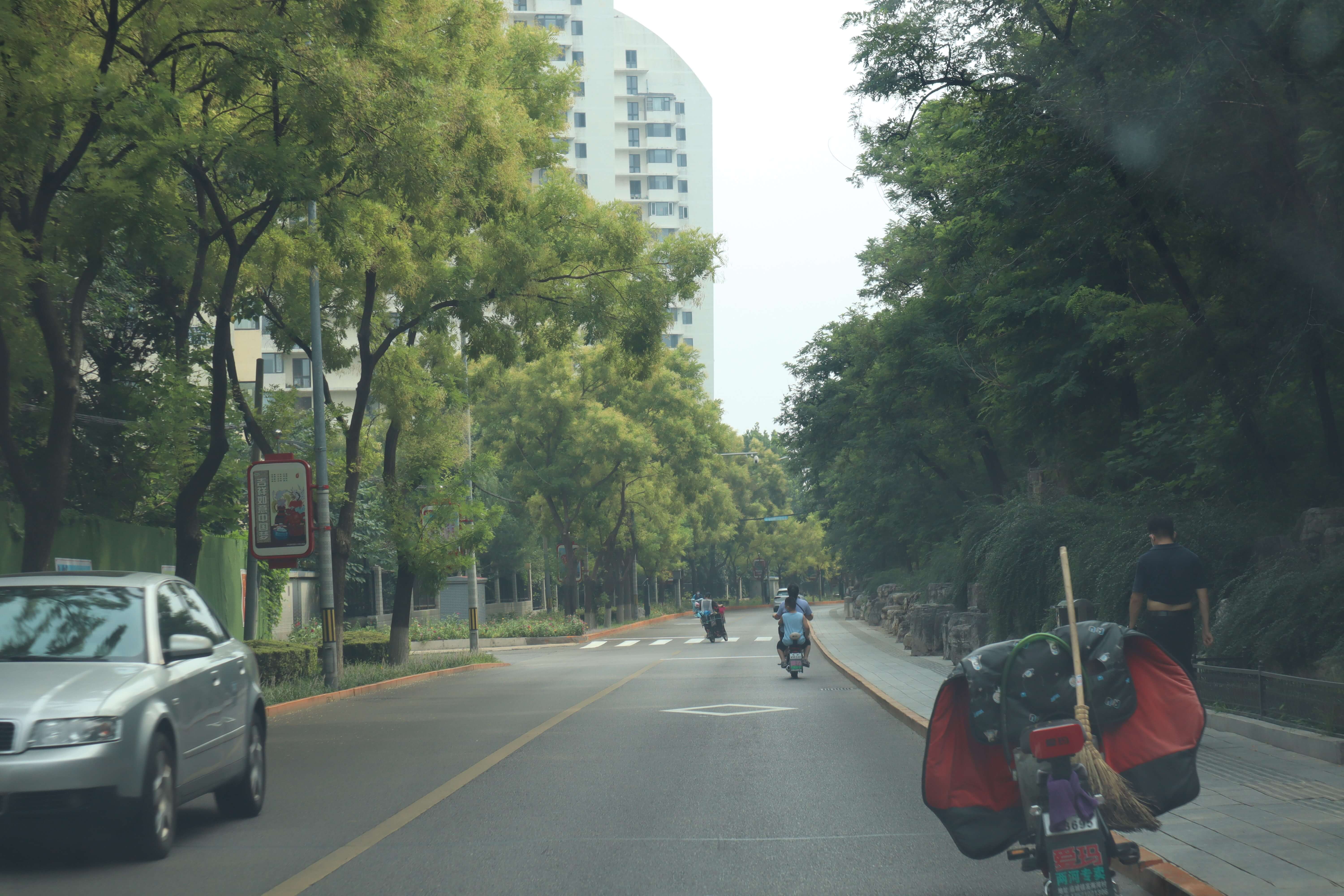
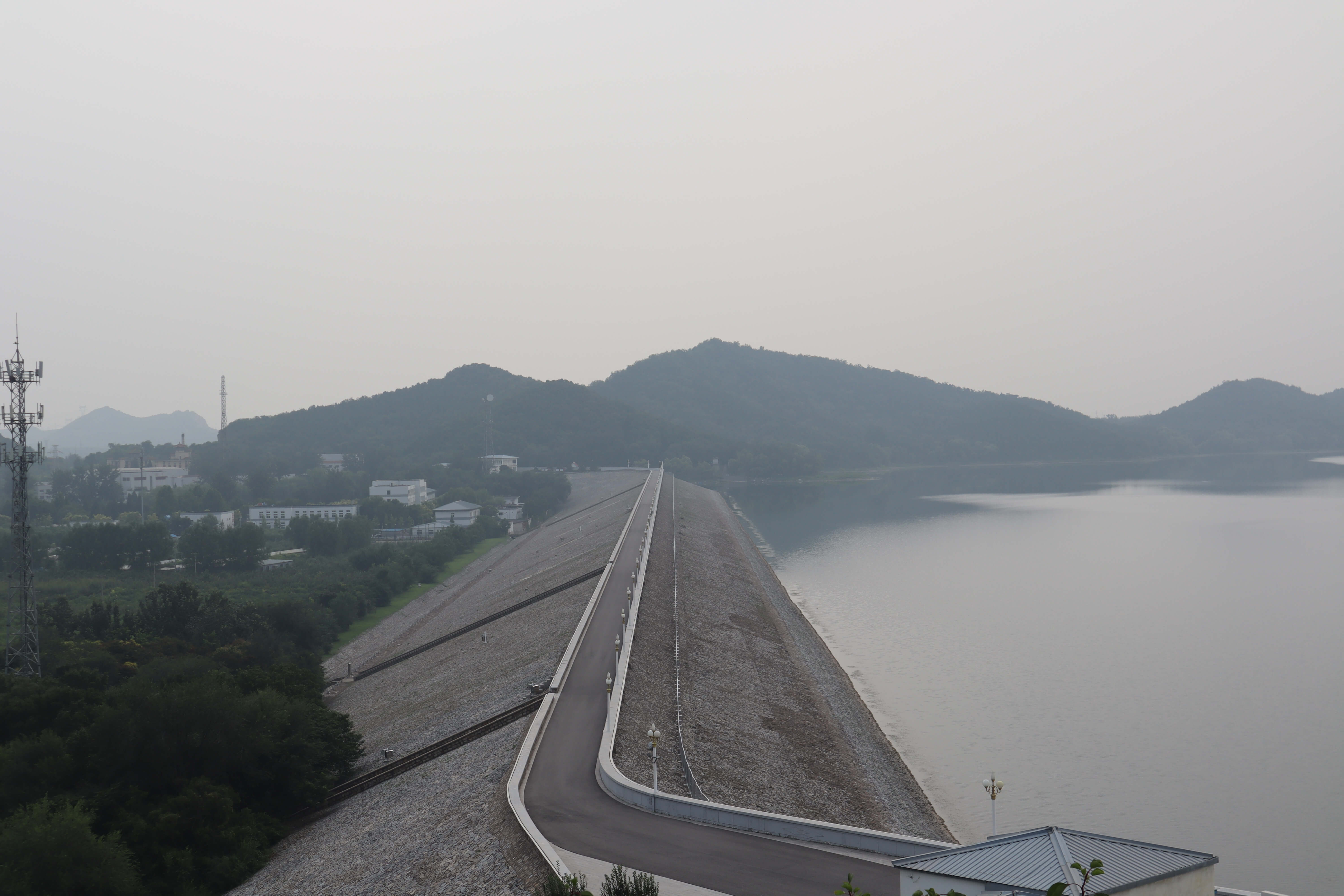
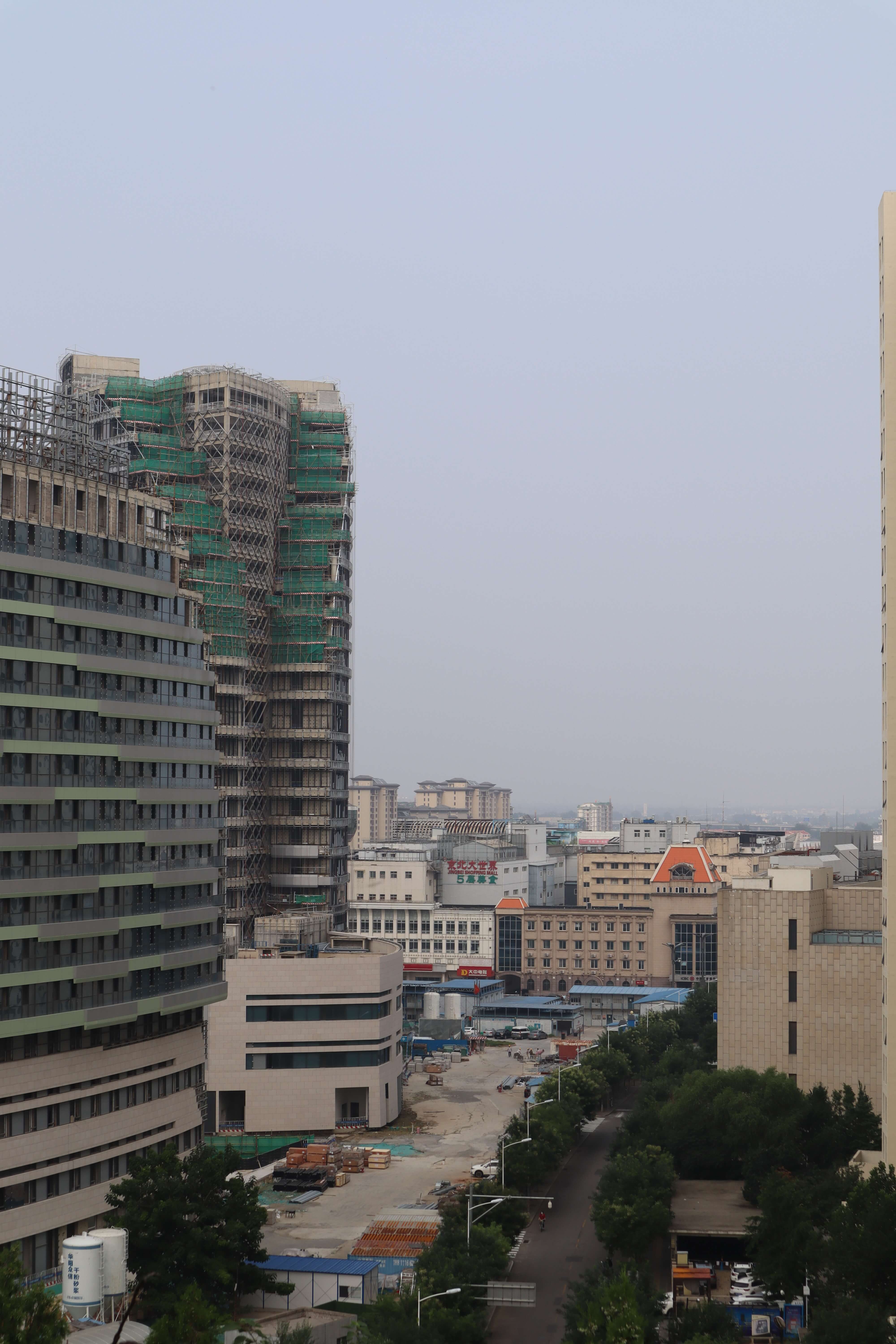
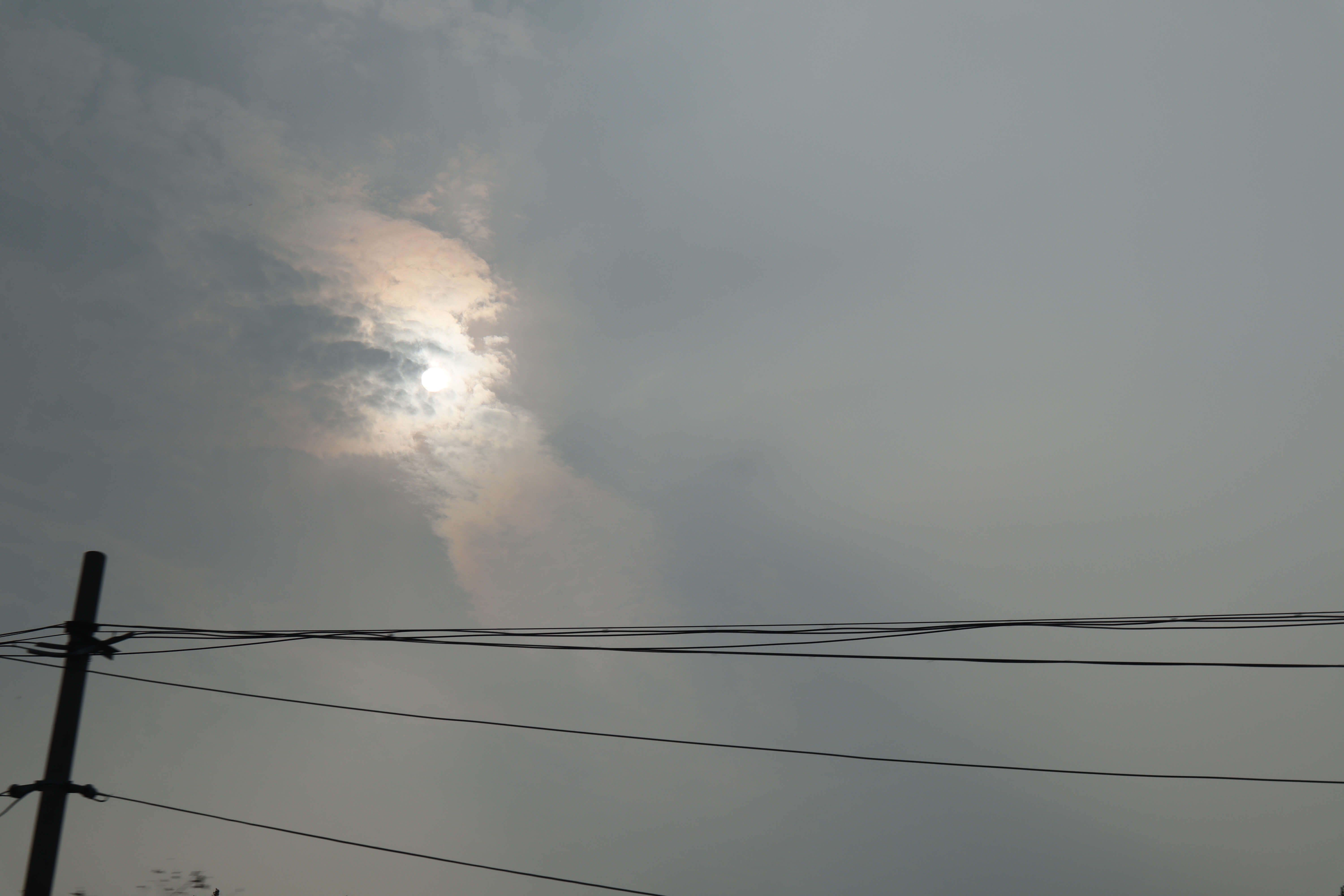
在雁栖湖上课的时候并没有在周边玩好好逛过,本来想去滑雪场的但因为疫情也作罢了。朋友Y有空开车去郊区玩就叫上了我,恰好遇上某电影节[1],因此路上有些拥堵。
虽然天气并没有很好,但是景色还是不错,能从室内出门散心还是很快乐的。此处放上一些本次的照片(均来自Y和他的另一位朋友Q)。
首先安利一下真理元素的这个视频
A single-event upset (SEU), also known as a single-event error (SEE), is a change of state caused by one single ionizing particle (ions, electrons, photons…) striking a sensitive node in a micro-electronic device, such as in a microprocessor, semiconductor memory, or power transistors.
最近对xgrads这个库的一些功能进行了简单的修复,使其能够配适模式输出结果。由于开题在即,容后再写详细的教程。
记录在此
Xarray have a convenient method to open multi-dataset parallelly. However, sometimes time are encoded in the filename and are not in th .nc coordinate. So we need a method. For example, the dataset of my lab CAQRA[1] do this.
Create a function which adds a time dimension to a DataArray, and fill it with a arbitrary date:
1 | def add_time_dim(xda): |
Then, pass this function to the preprocess argument when running the open_mfdataset functions:
1 | data = xr.open_mfdataset(files, preprocess = add_time_dim) |
Finally, fill the time dimension with my dates:
1 | data['time'] = dates |
I inspired also by an issue in Github and get the code below: